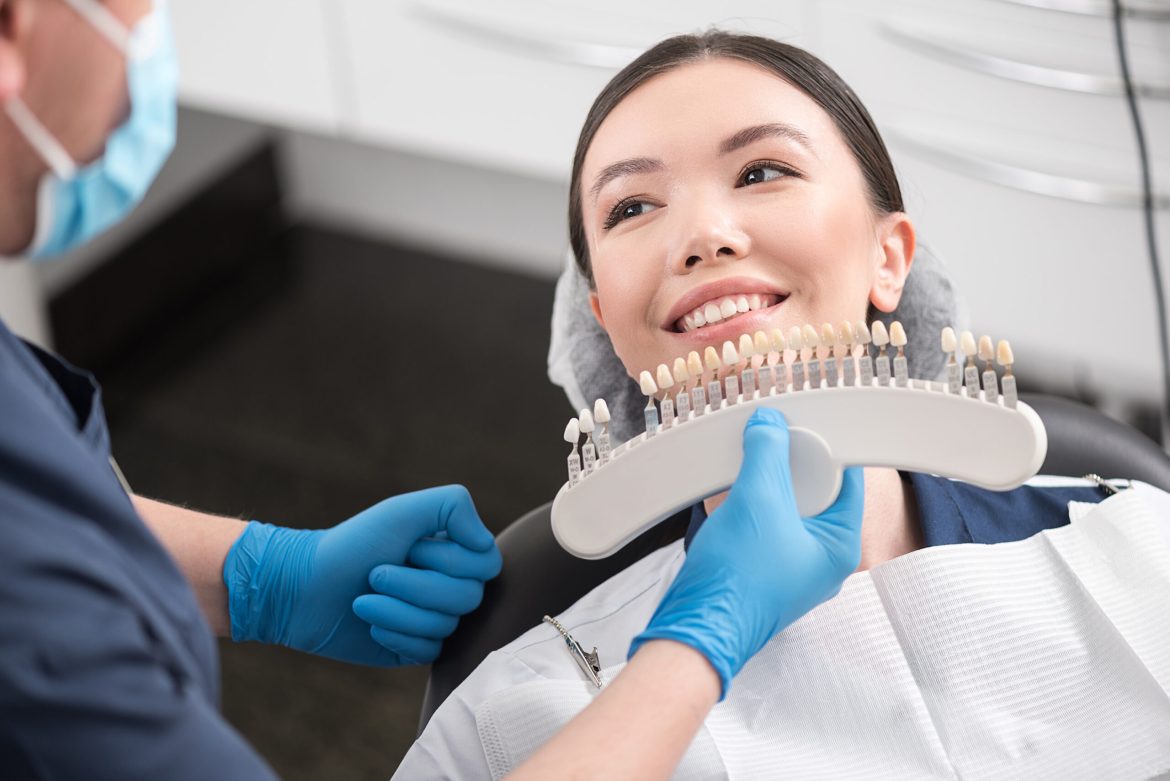
The Psychology of Eating Again After Years of Missing Teeth Through Dental Implants

Rediscovering the Joy of Meals

The simple act of eating represents far more than mere sustenance. It embodies social connection, sensory pleasure, and fundamental human dignity. For individuals who have lived with missing teeth for extended periods, the psychological journey of rediscovering normal eating patterns through dental restoration can be profoundly transformative. The experience touches upon deeply rooted aspects of self-perception, social confidence, and emotional wellbeing that extend well beyond the physical mechanics of chewing. This is where dental implants in Tunbridge Wells come in.

When people lose teeth, whether through decay, injury, or disease, the impact reverberates through multiple dimensions of their lives. The psychological toll of tooth loss on mental health and social behaviour has been well documented, with many sufferers reporting feelings of embarrassment, social withdrawal, and diminished quality of life. These psychological barriers can persist even after dental restoration, creating a complex relationship with food that requires both physical and mental adjustment.

The Adaptive Behaviours of Living Without Teeth

Over months and years of managing tooth loss, individuals develop intricate coping mechanisms that become deeply ingrained habits. These adaptations might include cutting food into exceptionally small pieces, avoiding entire categories of cuisine, or positioning food carefully to utilise remaining teeth. Some people develop such sophisticated workarounds that they become second nature, almost automatic responses that no longer require conscious thought.

Research indicates that oral health conditions significantly influence dietary choices and nutritional intake, with many people unconsciously limiting their food selection to softer options. This restriction often leads to nutritional deficiencies and can affect overall health outcomes. The psychological aspect of these limitations frequently manifests as anxiety around dining situations, particularly in social settings where food choices might draw unwanted attention or require explanation.

The Transition Period After Receiving Implants

When individuals finally receive oral implants, the physical restoration happens relatively quickly, but the psychological adjustment follows a different timeline. The brain requires time to recalibrate its understanding of what the mouth can accomplish.

Many patients report feeling tentative during their first meals, approaching food with the same caution they had developed over years of tooth loss. This hesitancy represents a form of protective behaviour, where the mind struggles to trust the newly restored function despite physical evidence of capability.

Overcoming Psychological Barriers

The process of relearning how to eat naturally involves confronting deeply embedded fears and anxieties. Patients often describe a period of hyperawareness, where every bite feels deliberate and requires conscious attention. This heightened focus can initially make meals feel exhausting rather than enjoyable, as the simple pleasure of eating has been replaced with analytical observation of each movement and sensation.

Dental professionals recognise that successful implant treatment extends beyond the surgical procedure itself. Studies examining patient satisfaction with dental implants reveal that psychological support and realistic expectations play crucial roles in overall treatment success. Practitioners who acknowledge these mental aspects can better guide patients through the adjustment period, offering reassurance and practical strategies for rebuilding confidence.

The Gradual Return to Normalcy

As weeks progress, most individuals find themselves gradually relaxing into their restored dental function. The tentative nibbles give way to more confident bites, and forgotten foods begin reappearing on plates. This progression rarely follows a linear path; setbacks and moments of doubt commonly punctuate the journey towards full psychological recovery.

Social dining situations often present the greatest psychological hurdles. The fear of judgement, though frequently unfounded, can linger long after the physical limitations have been resolved. Many people describe a turning point—perhaps biting into an apple without thinking, or laughing freely during a meal—when they suddenly realise they have reclaimed something precious that had been lost.

Embracing a New Chapter

The psychological journey of eating again after years of missing teeth through dental implants in Tunbridge Wells represents a profound transformation that encompasses far more than restored dental function. It involves rebuilding trust in one’s own body, overcoming ingrained protective behaviours, and rediscovering the fundamental pleasure of sharing meals without anxiety or limitation. For those who have completed this journey, the ability to eat freely often symbolises a broader reclamation of confidence, social engagement, and quality of life that extends into every aspect of daily living.
Share

Understanding How Your Bite Alignment Influences Overall Body Posture

The Hidden Connection Between Your Jaw and Your Spine

Most people rarely consider the intricate relationship between their teeth and the way they stand, sit, or move throughout the day. Yet, as a dentist Coorparoo will tell you, the alignment of one’s bite plays a surprisingly significant role in determining overall body posture. When the upper and lower teeth fail to meet properly, this misalignment can trigger a cascade of compensatory adjustments throughout the musculoskeletal system, potentially leading to discomfort and postural problems that extend far beyond the mouth.

The human body functions as an interconnected system where each component influences the others. The temporomandibular joint, which connects the jawbone to the skull, serves as a crucial pivot point in this complex network. When bite alignment is compromised, the muscles surrounding this joint must work harder to compensate, creating tension that can radiate through the neck, shoulders, and spine. This phenomenon has been documented in research examining the relationship between malocclusion and postural stability, highlighting the importance of proper dental alignment for overall physical wellbeing.

How Malocclusion Affects Your Body’s Balance

Malocclusion, the technical term for misaligned teeth or an improper bite, can manifest in various forms. Whether it involves an overbite, underbite, crossbite, or open bite, each type of misalignment forces the jaw to adopt an unnatural position. This deviation from the ideal positioning requires the surrounding muscles to constantly adjust, creating a state of chronic tension that the body attempts to counterbalance.

When seeking professional guidance about bite alignment issues, consulting a dentist can provide valuable insights into how dental concerns may be affecting overall posture. Dental professionals trained in recognising these connections can assess whether jaw positioning might be contributing to broader postural challenges.

The Muscular Chain Reaction

The muscles of mastication, responsible for chewing and jaw movement, connect directly to the cervical spine through a complex network of fascia and muscle fibres. When these muscles remain in a state of tension due to bite misalignment, they pull on the structures of the neck and upper back. Over time, this constant pulling can lead to forward head posture, rounded shoulders, and an altered spinal curve.

Compensation Patterns Throughout the Body

The body’s remarkable ability to adapt can sometimes work against long-term health. When bite alignment is compromised, the body initiates a series of compensations that extend downwards through the kinetic chain. The head may shift forwards to accommodate jaw discomfort, which in turn causes the shoulders to round and the upper back to curve. These adjustments can even affect hip alignment and leg length discrepancy, as the body attempts to maintain balance and centre of gravity.

Recognising the Signs of Bite-Related Postural Issues

Several indicators may suggest that bite alignment is influencing posture. Individuals might experience frequent headaches, particularly in the temples or back of the head, alongside neck stiffness and shoulder tension. Some people notice clicking or popping sounds when opening their mouths, or experience difficulty achieving a comfortable resting position for their jaw. Studies have shown that posture and bite alignment are interconnected, with improvements in one often leading to benefits in the other.

Additional symptoms can include uneven wear patterns on teeth, difficulty chewing, or a sensation that the bite feels “off” or uncomfortable. These signs warrant professional evaluation to determine whether orthodontic or restorative dental intervention might be beneficial.

Addressing Bite Alignment for Postural Improvement

Modern dentistry offers various approaches to correcting bite alignment issues. Orthodontic treatments can gradually shift teeth into proper position, whilst restorative procedures may rebuild worn or damaged teeth to restore proper occlusion. Research continues to explore the biomechanical relationships between craniofacial structure and body posture, providing dental professionals with evidence-based approaches to treatment planning.

Collaborative care between dental professionals and other healthcare providers, such as physiotherapists or chiropractors, can address both the dental and postural components simultaneously. This integrated approach recognises that true resolution often requires attention to multiple aspects of the musculoskeletal system.

Taking Steps Towards Better Alignment

Understanding the connection between bite alignment and body posture empowers individuals to seek appropriate care when experiencing related symptoms. Regular dental examinations provide opportunities to identify alignment issues before they progress to more significant problems. By addressing bite concerns proactively, individuals can potentially prevent the development of chronic postural problems and improve their overall quality of life through better alignment from head to toe.

Share

Exploring the Role of Salivary Diagnostics in Modern Dentistry

The Evolution of Dental Health Assessment

The landscape of dental care has undergone remarkable transformation over recent decades, with technological advances reshaping how practitioners approach patient assessment and treatment planning. Among these innovations, salivary diagnostics has emerged as a particularly fascinating development, offering dentist in Epping new insights into oral health through the analysis of saliva composition and characteristics.

Traditionally, dental examinations relied heavily on visual inspection, X-rays, and physical examination techniques. Whilst these methods remain fundamental to comprehensive dental care, the integration of salivary testing has opened new avenues for understanding the complex ecosystem of the human mouth. This non-invasive approach provides valuable information about bacterial populations, pH levels, and various biomarkers that influence oral health outcomes.

Understanding Salivary Composition and Function

Saliva serves as far more than a simple lubricant for the oral cavity. This remarkable biological fluid contains numerous components that actively protect teeth and gums whilst providing crucial information about overall oral health status. The composition includes enzymes, antibodies, minerals, and various proteins that work together to maintain the delicate balance necessary for optimal oral function.

Modern salivary diagnostic techniques can identify specific bacterial strains associated with periodontal disease, assess the risk of dental caries development, and monitor the progression of existing conditions. These insights allow practitioners to develop more targeted treatment approaches and preventive strategies tailored to individual patient needs.

Key Components Analysed in Salivary Testing

  • pH levels and buffering capacity
  • Bacterial composition and concentration
  • Enzyme activity markers
  • Inflammatory indicators
  • Mineral content and remineralisation potential

Practical Applications in Clinical Settings

The implementation of salivary diagnostics in dental practices has proven particularly valuable for risk assessment and treatment monitoring. Practitioners can now identify patients who may be predisposed to certain oral health conditions before clinical symptoms become apparent, enabling proactive intervention strategies that may prevent more serious complications from developing.

For patients seeking comprehensive dental care, such as those visiting a dentist in Epping, these advanced diagnostic capabilities represent an additional layer of personalised care that complements traditional examination methods.

Enhanced Patient Communication and Education

One of the most significant advantages of salivary diagnostics lies in its ability to provide tangible, visual evidence of oral health status that patients can readily understand. Rather than relying solely on verbal explanations of potential risks, practitioners can present clear data that demonstrates bacterial levels, pH measurements, and other relevant factors affecting oral health.

This approach has proven particularly valuable in motivating patients to adopt improved oral hygiene practices and maintain regular dental appointments. When individuals can see concrete evidence of their oral health status, they often demonstrate greater commitment to recommended treatment plans and preventive measures.

Integration with Traditional Diagnostic Methods

Salivary testing does not replace conventional diagnostic techniques but rather enhances them by providing additional layers of information. The comprehensive resources on salivary diagnostics demonstrate how these methods complement radiographic imaging, clinical examination, and patient history taking to create a more complete picture of oral health status.

Many practitioners find that combining traditional assessment methods with salivary analysis allows for more accurate risk stratification and treatment planning. This integrated approach has become increasingly popular among dental professionals seeking to provide comprehensive care that addresses both immediate concerns and long-term oral health maintenance.

Future Developments and Research

The field of salivary diagnostics continues to evolve rapidly, with ongoing research exploring new biomarkers and testing methodologies. Recent publications, including the latest guidance on salivary diagnostic implementation, highlight emerging applications and standardised protocols for clinical use.

Contemporary discussions about non-invasive health testing through salivary analysis emphasise the potential for expanded diagnostic capabilities that may revolutionise preventive dental care approaches in the coming years.

Looking Ahead: The Future of Dental Diagnostics

As salivary diagnostics technology continues advancing, patients can expect increasingly sophisticated and personalised approaches to oral health care. The integration of these innovative diagnostic tools with traditional dental practices represents a significant step forward in preventive dentistry, offering new opportunities for maintaining optimal oral health throughout life. This evolution in diagnostic capabilities ensures that modern dental care becomes increasingly precise, predictive, and patient-centred.

Any surgical or invasive procedure carries risks. Before proceeding you should seek a second opinion from an appropriately qualified health practitioner.

Share

Composite Bonding: Tailoring Unique Smiles with Artistic Precision

The Art of Dental Enhancement

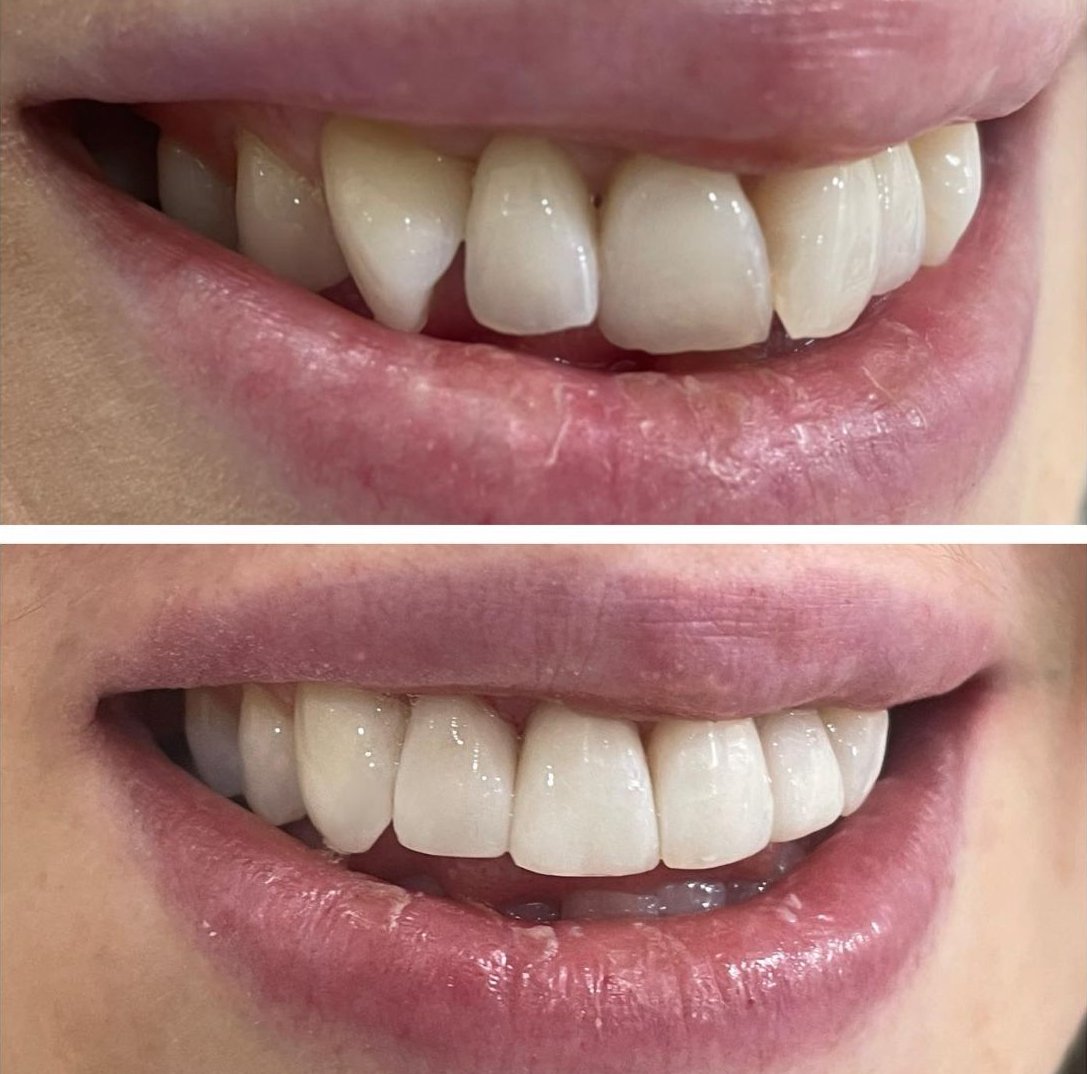
Modern cosmetic dentistry has evolved into an artistic pursuit, with composite bonding London practitioners leading the way in transforming smiles through minimally invasive techniques. This revolutionary approach to dental aesthetics combines scientific precision with artistic flair, offering patients a chance to achieve their desired smile without extensive procedures. The process of composite bonding represents a perfect marriage between dental expertise and artistic vision, allowing skilled practitioners to sculpt and shape tooth-coloured resin material to address various cosmetic concerns. Understanding the intricate process of dental bonding helps patients appreciate the skill required to achieve natural-looking results.

Understanding Composite Bonding Technology

The Science Behind the Smile

Composite bonding utilises advanced dental materials that have been specifically developed to mimic the natural appearance of tooth enamel. These materials contain a mixture of plastic and glass particles that, when properly applied and cured, create a durable and aesthetically pleasing result. The technique has gained significant popularity in cosmetic dentistry circles, particularly in London’s prestigious dental practices.

Applications and Versatility

The versatility of composite bonding makes it an excellent solution for various dental imperfections:

  • Closing gaps between teeth
  • Repairing chipped or cracked teeth
  • Improving the appearance of discoloured teeth
  • Reshaping irregular or short teeth
  • Protecting exposed root surfaces

The Treatment Journey

When patients embark on their composite bonding journey, they often discover that understanding the benefits and limitations of composite bonding treatment is crucial for setting realistic expectations. The process typically begins with a comprehensive consultation where the dentist assesses the patient’s dental structure and discusses their aesthetic goals. The procedure itself is remarkably straightforward, typically completed in a single visit. During the treatment, the dentist carefully applies the composite material layer by layer, skillfully sculpting it to achieve the desired shape and appearance. This meticulous attention to detail ensures that the final result looks natural and harmonious with the patient’s existing teeth.

Professional Artistry in Practice

The success of composite bonding relies heavily on the practitioner’s expertise and artistic ability. Much like a sculptor working with clay, dental professionals must possess an innate understanding of facial aesthetics, tooth morphology, and colour theory. This artistic approach to dental treatment ensures that each smile makeover is uniquely tailored to complement the patient’s facial features and personal preferences.

Colour Matching and Natural Aesthetics

One of the most crucial aspects of composite bonding is achieving the perfect colour match with surrounding teeth. Skilled practitioners utilise their expertise to select and blend various shades of composite material, creating a natural-looking result that seamlessly integrates with the patient’s existing teeth. This attention to detail extends to mimicking the natural translucency and texture of tooth enamel.

Maintenance and Longevity

While composite bonding offers immediate aesthetic improvements, maintaining the results requires proper care and attention. Understanding proper maintenance techniques for composite bonding helps patients protect their investment and ensure long-lasting results. Regular dental check-ups, good oral hygiene practices, and avoiding habits that could damage the bonding material are essential for preserving the aesthetic improvements. Patients should be mindful of:

  • Avoiding excessive consumption of staining substances
  • Using appropriate cleaning techniques
  • Scheduling regular professional maintenance
  • Protecting bonded teeth during physical activities

Advancing Smile Enhancement

The field of cosmetic dentistry continues to evolve, with composite bonding techniques becoming increasingly sophisticated. Modern developments in material science have led to stronger, more durable composites that offer enhanced resistance to staining and wear. These advancements, combined with refined application techniques, have made composite bonding practices destinations for patients seeking excellence in smile enhancement. The future of composite bonding looks promising, with ongoing research focused on developing even more advanced materials and techniques. This commitment to innovation ensures that patients will continue to benefit from improvements in both the durability and aesthetic qualities of composite bonding treatments. As more people recognise the value of investing in their smiles, the demand for skilled composite bonding practitioners continues to grow. The combination of artistic vision, technical expertise, and cutting-edge materials makes this treatment an increasingly popular choice for those seeking to enhance their smile with minimal intervention and maximum impact.

Share

The Role of Hypnosis in Enhancing Dental Implant Experiences

Introduction

Oral implants have become increasingly popular for those seeking a permanent solution to tooth loss. However, the prospect of undergoing such a procedure can be daunting. In recent years, the integration of hypnosis into dental practices has emerged as a promising method to ease patient anxiety and enhance the overall experience. This blog post explores how hypnosis can specifically benefit those receiving dental implants Manchester and beyond.

The Anxiety of Oral Implants

Receiving oral implants can be a significant source of stress for many individuals. Concerns about pain, the surgical process, and potential complications often contribute to heightened anxiety levels. This stress can impact not only the psychological well-being of patients but also the physical outcome of the procedure. By addressing these anxieties, dental professionals aim to improve patient experiences and outcomes.

The Impact of Stress on Dental Procedures

Stress and anxiety can lead to a range of adverse effects during dental procedures. Patients may experience elevated heart rates, increased blood pressure, and muscle tension—all of which can complicate the surgical process and recovery. Furthermore, anxiety might deter individuals from seeking necessary dental care altogether. The exploration of complementary therapies, such as hypnosis, thus becomes crucial.

Exploring Hypnosis in Dentistry

The Anxiety of Oral Implants

Hypnosis is a therapeutic technique that utilises focused attention, relaxation, and suggestion to achieve a heightened state of awareness. When applied in dentistry, it has the potential to reduce patient anxiety, minimise pain perception, and create a more positive overall experience.

Benefits of Hypnosis During Oral Implant Procedures

  • Reduced Anxiety: Hypnosis helps in calming the mind, allowing patients to approach their oral implant procedures with greater peace of mind.
  • Pain Management: Hypnosis can alter the perception of pain, making the experience more comfortable.
  • Faster Recovery: By reducing stress, hypnosis allows for better healing and recovery post-procedure.

For more detailed insights into the integration of hypnotherapy with dental treatments, consider this resource on hypnotherapy in the dental setting.

Hypnosis and Oral Implants Manchester

In Manchester, dental implants are a sought-after solution for many individuals. Practices offering oral implants in Manchester are increasingly recognising the value of hypnosis in enhancing patient experiences. By incorporating hypnotherapy into their services, these practices provide a more holistic approach to dental care.

Implementing Hypnosis in Clinical Settings

The use of hypnosis is supported by a growing body of research. Studies indicate that hypnosis can effectively reduce dental anxiety and improve patient cooperation during procedures. Those interested in the scientific backing can explore this study on hypnosis in dental practice.

Additionally, understanding the overall benefits of hypnosis as a therapeutic tool can be beneficial for both patients and practitioners. More information can be found on the advantages of hypnosis in therapeutic environments.

Conclusion

As dentistry continues to evolve, the incorporation of hypnosis presents an innovative way to enhance patient experiences, particularly for those undergoing oral implants. By mitigating anxiety and improving pain management, hypnosis not only benefits the psychological well-being of patients but also contributes to better surgical outcomes. For those considering oral implants, particularly in Manchester, exploring the option of hypnotherapy could prove to be a worthwhile investment in their oral health journey.

Share

The Role of OP Service in Modernizing Business Environments

Companies are looking more and more in the fast-changing corporate environment for ways to update their processes in order to remain competitive. OP service is one of the main forces behind this change since it is so important for improving several facets of company operations. 오피스타 OP services enable companies to maximize procedures, stimulate creativity, and raise general company performance. Adopting these services will help companies to better meet evolving needs, simplify existing processes, and establish more effective work surroundings.

Integrating Cutting-Edge Technology for Enhanced Operations

Since OP services lead the front stage in technological developments, they are absolutely vital for modernizing corporate environments. Innovative technologies include cloud computing, automation, and artificial intelligence. Let OP services enable companies to improve their operational effectiveness. Combining these instruments lets businesses offer faster reactions to changes in the market, automate monotonous processes, and better analyze data. This technical development gives companies more control over their corporate operations and helps them to keep ahead of rivals.

Driving Organizational Agility and Adaptability

The capacity of OP services to promote organizational agility is one of the main advantages for corporate modernization. Businesses must react fast to new problems and possibilities given always-shifting market needs. By real-time process and workflow adjustment, OP services help businesses to remain agile and responsive. This degree of flexibility enables companies to take advantage of new trends in addition to helping them thrive in fast-paced surroundings. Organizations can reach more degrees of agility by means of greater resource allocation, strategic planning, and ongoing development.

Optimizing Data Management for Informed Decision-Making

Business success in the data-driven environment of today depends mostly on your capacity to properly use data. Management and analysis of enormous volumes of data depend much on OP services. Organizing and arranging data helps companies to get important insights that guide wiser decisions. By means of effective data collecting, storage, and processing, 강남오피 OP services enable companies to spot patterns, project possible difficulties, and guide decisions. By means of this data-centric approach, companies can confidently maximize objectives, lower risks, and grab opportunities.

One cannot stress the importance of OP service in modernizing corporate surroundings. Businesses can greatly improve their operations by adopting the newest technologies, encouraging agility, optimizing data management, and improving teamwork. Op services guarantee long-term success and development, therefore giving businesses a strong basis to flourish in an always-changing environment. The integration of OP services will be vital in determining the course of companies as they negotiate fresh difficulties.

Share

Discover Dunwoody Village Ace Hardware’s Top Paint Products for Your Next Project

Transform your space with the finest paint products available at Dunwoody Village Ace Hardware. Located in Atlanta, GA, this locally owned hardware store has been serving the community since 1978, offering a wide range of high-quality paints and stains to suit every project. Whether you’re refreshing your home’s interior or tackling an outdoor staining project, Dunwoody Village Ace Hardware has you covered. Visit Dunwoody Village Ace Hardware for all your painting needs and expert advice from the helpful hardware folks.

Kevin Wojcik, manager of Dunwoody Village Ace Hardware, emphasizes the store’s commitment to offering top-tier paint products: “Our selection of paints and stains is carefully curated to ensure our customers achieve the best results for their projects, whether they’re updating a single room or their entire home.”

Benjamin Moore Regal Select Satin/Pearl White Interior Latex Wall Paint Interior 1 gal

Benjamin Moore Regal Select Paint

This premium quality, 100% acrylic paint and primer offers a durable and washable finish, perfect for high-traffic areas. With its stain release technology, it is easy to clean and resists stains, spills, and scuffs, ensuring a beautiful finish. It covers 400-450 square feet per gallon, making it ideal for new or previously painted surfaces.

“Benjamin Moore Regal Select is a customer favorite for its durability and ease of application,” says Wojcik. “It’s perfect for anyone looking for a high-quality finish that will stand the test of time.”

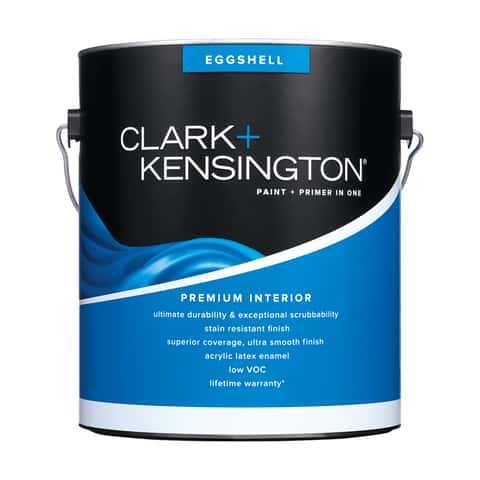
Clark+Kensington Eggshell Tint Base Ultra White Base Paint + Primer Interior 1 gal

Clark+Kensington Paint

This interior paint combines paint and primer in one, offering superior coverage and a smooth finish. It’s scrubbable and stain-resistant, making it suitable for various surfaces. With over 1100 tintable colors, you can achieve a customized look for your home.

“Clark+Kensington is known for its versatility and ease of use,” Wojcik notes. “It’s a great choice for those looking to achieve a professional finish with minimal effort.”

Magnolia Home by Joanna Gaines Eggshell Tint Base Base 1 Paint and Primer Interior 1 gal

Magnolia Home Paint

Offering excellent stain-blocking capabilities, this paint provides premium coverage with fewer coats. It features a mildew-resistant film and low VOC, making it a great choice for interior spaces. The eggshell sheen adds a touch of elegance to any room.

“Magnolia Home by Joanna Gaines offers a timeless finish that complements any decor,” Wojcik says. “It’s a perfect choice for those looking to create a warm and inviting atmosphere.”

Cabot Solid Color Acrylic Stain & Sealer Solid Tintable Neutral Base Acrylic Deck Stain 1 gal

Cabot Deck Stain

This exterior stain and sealer is ideal for wood decking, outdoor furniture, and fences. Its water-repellent and fade-resistant formula offers excellent adhesion and durability, making it perfect for areas with heavy foot traffic.

“Cabot Solid Color Stain provides long-lasting protection for your outdoor projects,” Wojcik says. “It’s a reliable choice for maintaining the beauty of your wood surfaces.”

KILZ White Flat Water-Based Acrylic Stain Blocking Primer 1 gal

KILZ Primer

This multi-purpose primer-sealer-stain blocker is suitable for both interior and exterior applications. It offers a mildew-resistant finish and can be top-coated with latex or oil-based paint. It’s perfect for a variety of surfaces, ensuring a smooth and even finish.

“KILZ Primer is essential for preparing surfaces and ensuring a flawless paint job,” Wojcik explains. “It’s the first step to achieving professional results.”

For all things Ace Hardware, please visit acehardware.com.

Share

Achieving Your Dream Smile with Invisalign: A Patient-Centred Approach

Introduction

The pursuit of a perfect smile is as timeless as it is universal. For many, the journey to achieving that dream smile involves orthodontic treatment. In recent years, Invisalign has emerged as a leading method for straightening teeth. Not only does it offer an effective alternative to traditional braces, but it also prioritises patient comfort and convenience. For individuals considering Invisalign in Plymouth, understanding the patient-centred approach of this treatment can significantly enhance their orthodontic experience.

Understanding Invisalign

Invisalign is a modern orthodontic solution that uses clear, removable aligners to gradually shift teeth into their desired positions. Unlike conventional braces, Invisalign aligners are virtually invisible, making them a popular choice among adults and teenagers who prefer a discreet option. The aligners are custom-made to fit snugly over the teeth and are replaced every two weeks as the treatment progresses.

How Does Invisalign Work?

Invisalign treatment begins with a detailed consultation during which a dentist or orthodontist creates a digital 3D model of the patient’s teeth. This model allows for precise planning of each stage of the treatment. Patients are then provided with a series of aligners, each designed to make slight adjustments to the position of the teeth. This step-by-step process is an example of how Invisalign effectively realigns teeth over time.

Benefits of Invisalign

  • Discreet Appearance: The clear design of the aligners makes them almost invisible to others.
  • Comfort and Convenience: The aligners can be removed for eating, drinking, and oral hygiene, allowing patients to maintain their regular lifestyle.
  • Fewer Dental Visits: Patients usually need fewer check-ups compared to those with traditional braces.
  • Personalised Treatment: Each set of aligners is custom-engineered for optimal results.

A Patient-Centred Approach

Invisalign employs a patient-centred approach by considering the unique needs and preferences of each individual. This method ensures that the treatment is tailored to fit seamlessly into the patient’s lifestyle. With a focus on comfort and flexibility, Invisalign allows patients to take active roles in their treatment journey.

The Importance of Personalisation

A personalised treatment plan is crucial for achieving optimal results. With advancements in dental technology, Invisalign providers can offer highly customised plans, ensuring each patient receives care that is uniquely suited to their dental situation. This approach is supported by research which explores the efficacy and patient satisfaction associated with Invisalign.

Choosing Invisalign in Plymouth

For those living in Plymouth, selecting a skilled Invisalign provider is an important step. A reputable provider will guide the patient through every phase of the treatment, offering support and expertise. For anyone considering Invisalign in Plymouth, it is essential to choose a clinic that prioritises patient care.

Conclusion

Invisalign offers a revolutionary way to achieve the perfect smile with a patient-centred approach that prioritises comfort and convenience. This treatment is not only effective but also designed to fit seamlessly into the patient’s life. As dental technology continues to evolve, the opportunities for achieving a dream smile will only expand. Those considering orthodontic treatment in Plymouth have a viable, modern option with Invisalign, promising a transformative journey towards dental perfection.

For further information on the clinical advantages of Invisalign, potential patients can explore various studies that highlight its efficacy. As the field of orthodontics continues to innovate, Invisalign stands out as a leader in providing patient-focused dental care that does not compromise on results.

Share

Visual Storytelling in Dental Marketing: Capturing Patient Attention

Introduction to Successful Dental Marketing

In today’s fast-paced digital era, visual storytelling has emerged as a compelling tool in dental marketing, capturing the attention of patients in ways traditional advertising could not. This approach combines the art of narrative with the power of visuals to create a memorable and engaging experience for potential patients. By understanding the nuances of storytelling, dental professionals can effectively communicate their brand message, creating a lasting impact on their audience.

The Power of Visual Storytelling

Visual storytelling is not just about pretty pictures; it’s about creating a narrative that resonates with the audience on an emotional level. In the context of dental marketing, this means showcasing the transformation that dental treatments can bring to a patient’s life. From enhancing smiles to boosting confidence, the story of how a dental practice can change lives is a powerful one.

Engaging the Audience

To engage the audience effectively, dental marketers must understand the components of a good story. A well-crafted narrative should include:

  • A relatable protagonist: This could be a satisfied patient whose life has improved post-treatment.
  • A compelling plot: A journey from dental issues to a confident smile.
  • Visual elements: High-quality images or videos that illustrate the transformation.

By intertwining these elements, dental practices can create captivating stories that resonate with potential patients. This strategy can lead to an emotional connection, encouraging patients to choose their practice over others.

Technological Advancements in Visual Storytelling

With the rapid advancement of technology, the opportunities for visual storytelling in dental marketing have expanded significantly. Technologies such as AI and graphic design are revolutionising how visuals are created and consumed in the dental industry. An exploration of how AI and graphic design are transforming dental visuals reveals the potential for more dynamic and engaging content.

Leveraging Social Media Platforms

Social media platforms have become indispensable tools for visual storytelling. By sharing patient success stories in the form of images, videos, and reviews, dental practices can reach a wider audience. Each platform offers unique benefits:

  1. Instagram: Perfect for showcasing before and after transformations through images and reels.
  2. Facebook: Allows for more detailed stories with a combination of text, images, and videos.
  3. YouTube: Ideal for longer-form content such as patient interviews and educational videos.

These platforms not only enhance visibility but also provide an opportunity for interaction, allowing potential patients to ask questions and engage with the practice.

Creating Authentic and Relatable Content

Authenticity is key in visual storytelling. Patients are more likely to trust and connect with a brand that portrays genuine stories. It’s important for dental practices to feature real patients and real results. Crafting stories that are relatable and address common dental concerns can make the brand more approachable and trustworthy.

A study into the power of storytelling as a dental marketing strategy highlights the importance of authenticity and relatability in building stronger patient relationships.

Conclusion

Visual storytelling stands out as a powerful tool in dental marketing, offering a unique way to engage with patients and convey the value of dental services. By leveraging technology and social media, dental practices can create authentic narratives that resonate emotionally with their audience. The ability to tell compelling stories through visuals not only enhances patient attraction but also fosters trust and loyalty in the long term. As the landscape of digital marketing continues to evolve, so too must the strategies employed by dental professionals to stay ahead of the curve.

Share

How does the Video Summarizer AI transform approaches to video content management

Content on YouTube videos still rules many different sectors and offers both possibilities and problems. For producers, teachers, and marketers all around, effectively managing large volumes of video data has become very important. Emerging as a creative answer to these problems are YouTube Video Summarizer AI tools. Shortening long movies into summaries helps to save time and increase production. This makes digesting and access to audiovisual materials simpler. These technologies show how artificial intelligence simplifies and uses content arrangement, therefore transforming it. In the end, they reinvent the management of audiovisual materials. The first leading change in this regard is the video summerizer.

Improving Content Accessibility and Engagement

YouTube Video Summarizer AI tools mostly help to make content more accessible, which is one of their main advantages. Particularly when looking for particular information, viewers can find long-form videos to be too much. By separating important points, summarizers help users to swiftly understand necessary ideas. main benefits consist of:

  • Let viewers avoid pointless material.
  • Using succinct descriptions, progressively increase watch time.
  • Improving audience retention for artists.

Video content strategies depend much on video summerizer, which helps to increase engagement by accessibility.

Simplifying Archiving Video Files

video summerizer

For companies and teachers with large video libraries, good archiving is vital. Tools for summarizing artificial intelligence help to effectively classify videos depending on their major themes. This lowers database redundancy and helps content retrieval to be simpler.

  • Automatic tagging for simplified classification.
  • Create metadata for search optimization and easy to understand.
  • Research and Editing Supporting Content Creators

Making good content calls for both careful research and effective editing. Summarizers give authors tools to easily examine video material. Condensed essential insights free creators’ time and enable them to concentrate on quality work.

Enhancing Teaching Video Distribution

Summarizer tools help educational platforms greatly since they let students concentrate on important subjects free from needless distractions. Shortened summaries help pupils to properly grasp important lessons, thus improving the results of their education.
A Video Summarizer AI products transform video administration techniques by offering accessibility, interaction, and efficiency throughout sectors. With ideas like video summarizer, handling video content going forward seems bright.

Share
1 2 3 42